


Step Into the Past, One Block at a Time

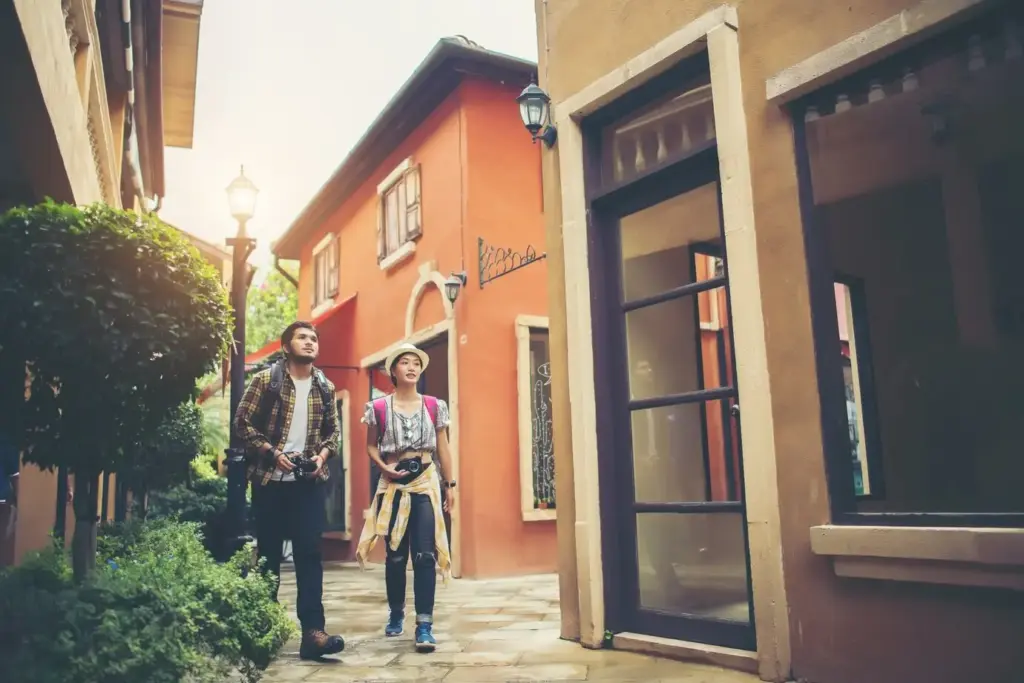
Today we explore Block-by-Block History Walks: Unearthing Local Stories in Under an Hour, inviting you to uncover layered memories hiding in sidewalks, storefronts, stoops, and street corners. In just sixty minutes, you can stitch dates, names, and textures into living narratives, turning overlooked details into conversation starters. Bring curiosity, a notebook, and a neighborly smile. We will help you map short routes, read quiet clues, and spark community connections. Share your discoveries, subscribe for future stroll ideas, and tell us which block you want to investigate next.

Plan a Powerful Hour on Foot

Map Smart Start and Finish

Choose a beginning that is welcoming and easy to find, like a library step, corner café, or transit stop, then end where participants can linger. A loop avoids backtracking, while a straight line can dramatize change from one district to another. Identify bathrooms, water, and seating ahead of time. Mark a quiet spot for opening remarks and a photogenic place for closing reflections. Share the map beforehand to reduce late arrivals and build anticipation with a teaser landmark circled in bright ink.

Master the Minute-by-Minute Flow

Create a simple timeline: five minutes to gather and set intentions, ten minutes at the first stop, eight at the second, and eight at the third, with short, two-minute connectors in between. Include a floating ten-minute buffer for unexpected conversations, construction detours, or compelling finds. Use a timer discreetly to stay on track without rushing. When energy dips, shift vantage points, invite a participant observation, or incorporate a quick tactile exercise, like comparing brick textures. End two minutes early to field questions graciously.

Safety, Access, and Comfort

Plan for inclusive movement and clear sightlines. Scout curb cuts, crossing times, and surface conditions, noting slopes, loose grates, and narrow sidewalks. Offer alternatives if stairs or uneven pavers appear. Encourage sun protection, layered clothing, and water refills. If your group includes hearing-aid users or children, choose quieter side streets and avoid echoing underpasses. Share emergency contacts, designate a last walker, and establish a simple hand signal to pause. Preparation builds trust, transforming a modest stroll into a confident, welcoming shared experience.

Decode the Street’s Silent Evidence

Blocks whisper to attentive walkers through materials, patterns, and utility traces. Facades reveal eras; lintels and cornices carry dates; manhole covers list foundries; curb stamps quietly testify to decades. Even mail slots, doorbells, and retired fire-call boxes sketch timelines of technology and habit. Learn to pair these tangible hints with local directories and postcards, turning a casual glance into a small archival triumph. By reading street-level layers, every corner yields clues that deepen stories, enrich memory, and reward returning visits with fresh details.

Tiny Sagas from Real Blocks

Quick journeys benefit from vivid micro-histories that connect names to places. Gather tales that fit into three or four minutes yet carry emotional resonance. A shopkeeper’s ledger, a grandmother’s recipe, or a wartime letter discovered behind molding can animate seemingly plain brick. When you share concise portraits, participants keep pace without losing narrative depth. These stories travel well, encourage interjections from locals, and often spark revelations that lead to future routes. One hour expands as listeners continue conversations long after the final crosswalk.

The Corner Bakery that Hid a Press

During the 1930s, this cheerful corner sold buns by dawn and, under flour sacks, printed an underground newsletter by night. A neighbor recalled slipping rolled pages into milk crates. The oven’s steady warmth disguised the press’s hum, while deliveries scattered messages across several blocks. Today, a faint ink stain near the cellar door and a mismatched hinge confirm the dual life. Sharing this compressed drama helps walkers feel suspense, solidarity, and bravery contained within a single storefront still smelling faintly of cinnamon.

A Mural Painted Over Three Generations

An alley wall began as a son’s tribute to his mother’s market stall. Years later, her granddaughter added a ring of blue cornflowers to honor the immigrant hometown. When a storm stripped paint, neighbors patched sections with found colors, creating a mosaic of gestures. The mural now documents shifts in pigments, brush techniques, and family milestones. Five minutes of observation, guided by simple questions, can trigger conversations about belonging, authorship, and care that ripple beyond the wall and continue at the next stop.

The Sidewalk That Sank Twice

A hairline crack near the bus stop turned into a mystery. City records showed two subsidence events a decade apart. The first followed a burst pipe; the second aligned with construction upstream. Residents told how bakery deliveries detoured, then an elderly neighbor finally pushed for a permanent fix. Small stakes still mark the stabilized seam. In under four minutes, participants sense persistence, infrastructure fragility, and community problem-solving. The humble slab becomes a stage where everyday patience and civic tenacity leave durable, admirable impressions.

Gather, Organize, and Share What You Find

Compact documentation keeps discoveries alive after the hour ends. Aim for quick, consistent capture: a phone photo, a voice memo, and three bullet notes per stop. Tag material types, dates, and emotions. Later, link each item to map pins and a reference list. Publish digestible recaps so neighbors can add corrections or family recollections. This lightweight pipeline transforms a casual stroll into a growing neighborhood archive. Invite subscribers to submit tiny updates, helping refine routes and fueling future block investigations with collective memory.

Pocket-Sized Field Kit

Travel light: a charged phone, a pencil that writes on damp paper, index cards, and a foldable magnifier for inspecting brick or print. Use a shoulder strap case to keep hands free. Draft a repeating note template—location, material, text, question—so entries remain comparable. If possible, carry a spare battery and a small measuring tape. These simple tools support swift observation without breaking momentum. When curiosity spikes, you can document quickly, then resume walking, confident that no delightful clue or comment has slipped away.

Story Cards and Micro-Maps

Convert findings into concise, shareable story cards featuring one image, a caption under fifty words, and a date range. Pin them to a micro-map that marks an optimal hour-long circuit. This visual index helps newcomers choose an entry point and reduces duplication for return visits. Include a QR code linking to sources or oral histories. Clear, attractive cards invite neighbors to contribute their versions. Over time, the deck evolves, capturing contrasts and reverberations that emerge when blocks are revisited through different seasons and perspectives.
Voices of the Block

Short, respectful interviews enrich concise routes with personal texture. Ask open questions—what changed, who helped, which corner feels comforting—and record with consent. Annotate each audio clip with a landmark and approximate date. Pair voices with photographs at the exact listening spot to provoke layered attention. Rotating selections keep a repeating walk fresh. Sharing highlights in a monthly newsletter encourages readers to reply with corrections, memories, and invitations. The result is collaborative stewardship, where neighbors recognize themselves as historians of their everyday surroundings.

Make Every Walk Welcoming

Inclusive design keeps a brisk pace without excluding anyone. Offer route notes in advance, emphasize flat segments, and maintain conversational volume. Provide optional printed summaries for non-phone users and alt-text for shared images afterward. Build moments for seated pauses and choose intersections with generous signals. Consider sensory diversity by avoiding persistent jackhammers and echoing tunnels. Invite co-leaders reflecting community languages and ages. A few considerate adjustments convert a compact stroll into a meaningful gathering where families, elders, newcomers, and longtime residents feel equally comfortable participating and sharing.

Design for Different Bodies and Brains

Scout curb ramps, step heights, and sidewalk textures, then publish an accessibility note that is honest and empowering. Use high-contrast handouts and concise bullet points. Offer short recaps for latecomers, and leave quiet space for processing. Keep backup seating like portable stools if pauses lack benches. Provide multiple ways to participate: listening, sketching, photographing, or reading a snippet aloud. Invite feedback anonymously to improve routes. When participants sense care in every turn, community trust blossoms, and more neighbors confidently join future one-hour explorations.

Keep Kids Wondering

Transform routine corners into quick games. Ask children to find the oldest date on a drain, count windowpanes on a stubbornly intact facade, or follow a brick color gradient. Offer sticker badges for discoveries and tiny magnifiers as take-home tools. Use call-and-response storytelling that invites guesses. Keep stops short, rotate roles, and let kids lead for a block. Parents appreciate manageable timing, and children remember triumphs. These playful tactics ensure that brisk pacing coexists with delight, sustaining attention through the entire hour without fatigue.

Spark Ongoing Community Discovery

Short walks seed longer relationships. Invite neighbors to co-curate future routes, donate photocopied ephemera, and propose cross-block connections. Host occasional wrap-up gatherings where participants place sticky notes on a big map, highlighting unanswered questions. Celebrate contributions in a newsletter and encourage replies with additional memories. Create seasonal challenges that reward consistent exploration with small acknowledgments. As patterns emerge, advocate for preservation or new amenities with clear, community-backed evidence. The walking hour becomes a reliable engine, turning casual interest into sustained care for shared places.
Vironilolorozavozentovelto
Privacy Overview

This website uses cookies so that we can provide you with the best user experience possible. Cookie information is stored in your browser and performs functions such as recognising you when you return to our website and helping our team to understand which sections of the website you find most interesting and useful.