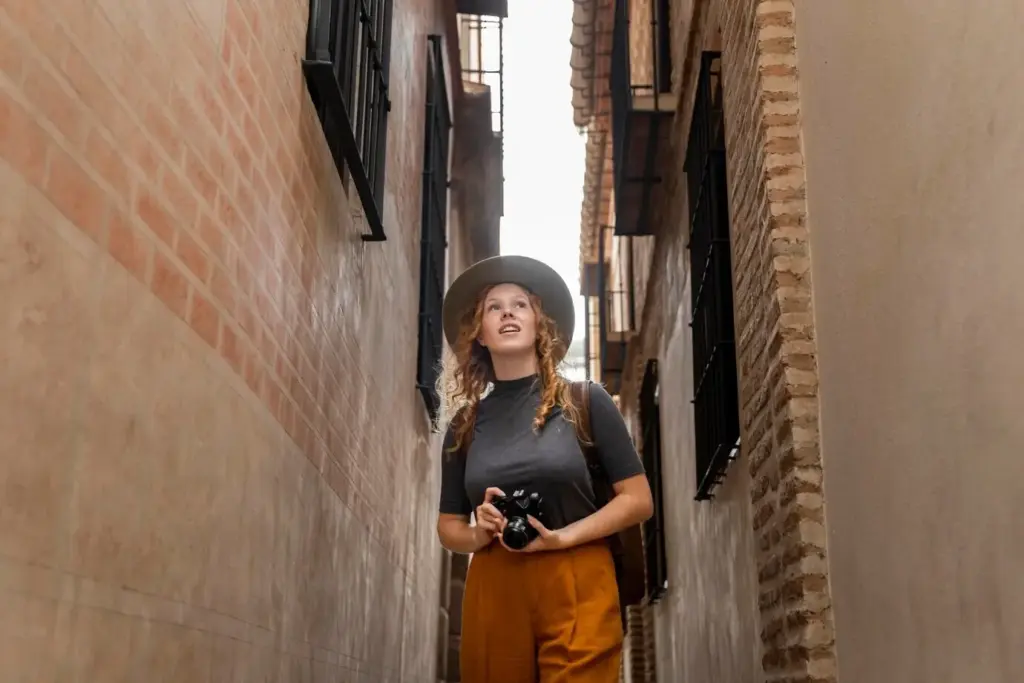
Step Into the Wild on Your Own Block

We’re launching Backyard Bio-Blitz: Citizen Science Adventures on Your Own Block, an open invitation to notice, document, and celebrate the species living right outside your door. With simple tools, neighborly enthusiasm, and beginner-friendly techniques, you’ll turn hedges, sidewalks, and porch lights into discovery zones, submit observations that count, and build a joyful habit that strengthens science while deepening your daily connection to place. Bring curiosity, invite a friend, and let wonder lead the way.

Start with One Square Meter

Choose a patch the size of a doormat and give it your complete attention for ten quiet minutes. Gently move leaves, check soil edges, and observe from multiple angles to reveal ants, springtails, snails, or resilient weeds. Focusing tightly removes pressure, sharpens your eyes, and quickly proves that even tiny spaces host bustling communities worthy of documentation, reflection, and care.

Listen Before You Look

Close your eyes and let the neighborhood soundtrack guide your search. Birds announce territories, bees hum near flowers, and distant rustles betray hidden lizards. Sound becomes a compass that narrows your efforts while reducing visual overwhelm, especially for beginners. This practice also encourages slower breathing and patience, turning a quick check into a restorative ritual you’ll return to throughout the week.

Hidden Worlds in Familiar Places

Backyards and sidewalks hold layered microhabitats that hide extraordinary life. We’ll scan moisture traps, edges, and vertical surfaces where species cluster, rest, and hunt. By learning how wind, shade, brick, puddles, and porch lights shape local hotspots, you’ll uncover reliable search patterns usable in any city or suburb. The magic arrives when ordinary spaces suddenly explain themselves, and your block feels newly alive, connected, and legible.

Document Like a Naturalist

Transform casual sightings into records that scientists can trust. Use clear photographs, concise notes, and easy tools to capture time, place, and behavior. Your process matters: steady framing, multiple angles, host plants, and simple sketches tell a richer story than a single snapshot. Consistency turns everyday curiosity into cumulative evidence, improving identification quality, supporting community discussions, and inspiring neighbors to contribute their own growing library of local life.

Apps that Amplify Curiosity

Try iNaturalist for community-powered identifications and automatic data sharing with global biodiversity platforms, or Seek for kid-friendly, on-the-spot suggestions. Birders can explore Merlin and eBird for sound IDs and checklists. Use airplane mode if reception is weak, then sync at home. Remember, suggestions are starting points, not verdicts. Ask questions in app comments and thank identifiers who help, building supportive relationships that accelerate your learning curve.

Photographs Scientists Can Use

Frame a clear subject, focus on eyes if possible, and capture multiple angles: top, side, and any distinct marks. Include a habitat shot for context and a scale reference like a coin or fingertip near, but not touching, delicate species. Avoid heavy filters. Stabilize with elbows against knees. Natural light at sunrise or sunset softens glare, revealing textures crucial for confident identifications and future research comparisons across seasons.

Context Is King: Time, Weather, Behavior

Include time of day, cloud cover, temperature, and behavior like foraging, mating, or basking. A bee at 9 a.m. on lavender tells a different story than one after a thunderstorm under porch light. These specifics enable trend analysis, reveal migration timing, and detect unusual events. Consistent context transforms scattered snapshots into a recognizable signal that scientists can compare across neighborhoods, cities, and changing climate conditions.

How Records Flow into Global Databases

When you post verifiable observations to platforms like iNaturalist, many flow to the Global Biodiversity Information Facility, where researchers mine data for patterns in distribution, seasonality, and change. This pipeline works best with accurate locations, clear media, and polite dialogue around identifications. Your entries can inform species checklists, invasive alerts, and classroom lessons, proving that a single backyard effort, repeated weekly, scales into meaningful scientific momentum.

Protecting Locations and Species

Some organisms are sensitive to disturbance or collection pressure. Consider obscuring exact coordinates for rare plants, nesting birds, or charismatic reptiles near heavy foot traffic. Share habitat-level details instead of precise spots, and avoid handling wildlife. Be mindful when posting at night, as bright lights and repeated visits can stress animals. Safeguarding places ensures that your excitement translates into stewardship, preserving delicate communities for future observers and learners.

From Backyard Observations to Real Science

Your neighborhood records can influence restoration plans, climate adaptation, and education. Learn how metadata increases value, where your observations travel, and how to protect vulnerable species. Understanding these pathways turns a weekend pastime into an evidence stream that policymakers, researchers, teachers, and conservation groups can actually use. The distance between your fence and global insight is shorter than you think, especially when many neighbors contribute together, consistently, and kindly.

Make It a Neighborhood Celebration

Biodiversity grows richer when shared. Turn your block into a friendly expedition powered by snacks, curiosity, and good humor. Roles for kids, adults, and elders create continuity and delight. Coordinate a one-hour blitz, set clear boundaries, and invite local librarians, gardeners, or teachers. Celebrate afterwards with a photo wall and a quick data upload session. Community joy becomes the engine that keeps discovery returning, season after season.

Reflect, Learn, and Grow the Adventure
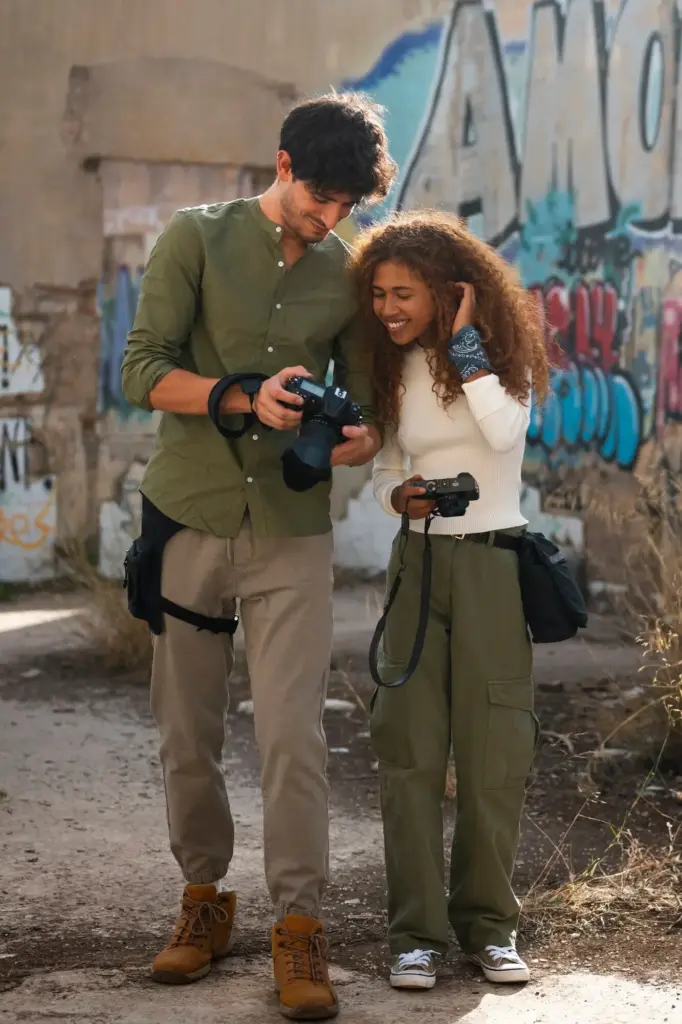
The best discoveries appear when you look back and compare. Establish simple routines for reviewing observations, noting surprises, and planning next steps. Seasonal patterns emerge, misidentifications shrink, and confidence blossoms. Share your learning publicly to invite fresh perspectives and friendly corrections. Reflection turns each walk into an evolving conversation with place, ensuring Backyard Bio-Blitz becomes a sustaining practice that deepens wonder, neighborly connection, and scientific value throughout the year.
Vironilolorozavozentovelto
Privacy Overview

This website uses cookies so that we can provide you with the best user experience possible. Cookie information is stored in your browser and performs functions such as recognising you when you return to our website and helping our team to understand which sections of the website you find most interesting and useful.