


Pocket-Sized Field Kit
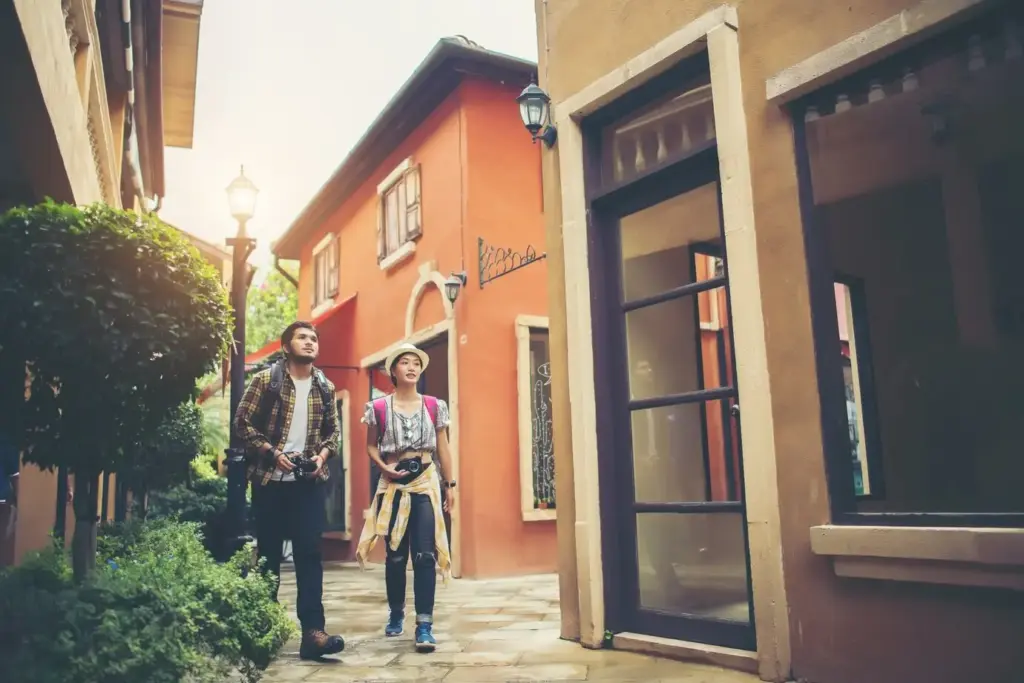
Travel light: a charged phone, a pencil that writes on damp paper, index cards, and a foldable magnifier for inspecting brick or print. Use a shoulder strap case to keep hands free. Draft a repeating note template—location, material, text, question—so entries remain comparable. If possible, carry a spare battery and a small measuring tape. These simple tools support swift observation without breaking momentum. When curiosity spikes, you can document quickly, then resume walking, confident that no delightful clue or comment has slipped away.

Story Cards and Micro-Maps
Convert findings into concise, shareable story cards featuring one image, a caption under fifty words, and a date range. Pin them to a micro-map that marks an optimal hour-long circuit. This visual index helps newcomers choose an entry point and reduces duplication for return visits. Include a QR code linking to sources or oral histories. Clear, attractive cards invite neighbors to contribute their versions. Over time, the deck evolves, capturing contrasts and reverberations that emerge when blocks are revisited through different seasons and perspectives.
Voices of the Block
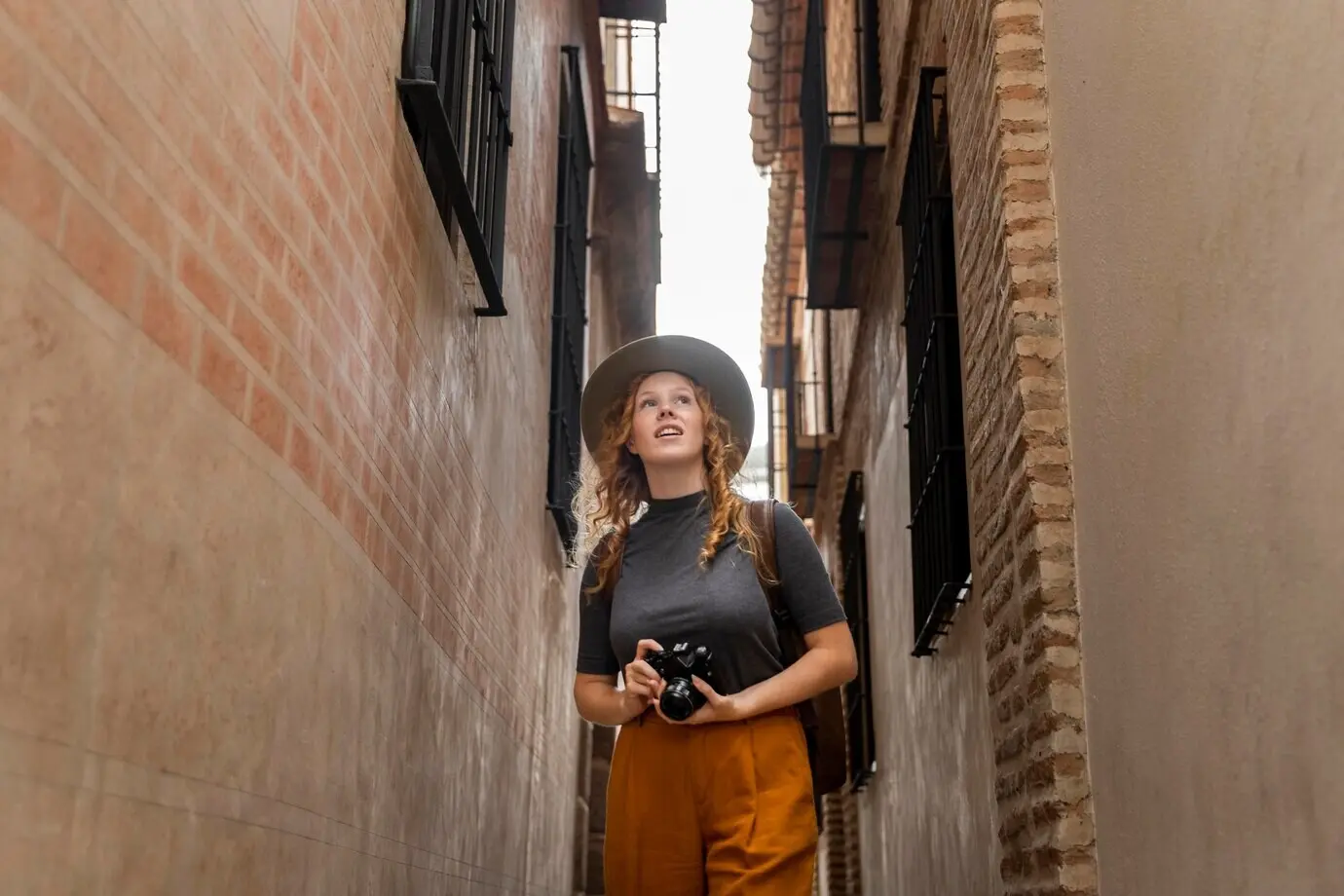
Short, respectful interviews enrich concise routes with personal texture. Ask open questions—what changed, who helped, which corner feels comforting—and record with consent. Annotate each audio clip with a landmark and approximate date. Pair voices with photographs at the exact listening spot to provoke layered attention. Rotating selections keep a repeating walk fresh. Sharing highlights in a monthly newsletter encourages readers to reply with corrections, memories, and invitations. The result is collaborative stewardship, where neighbors recognize themselves as historians of their everyday surroundings.